Keep what you find. Leave the sand behind.
Trezur Bag began with a practical Oregon Coast problem: kids, pockets, beach treasures—and sand everywhere afterward.
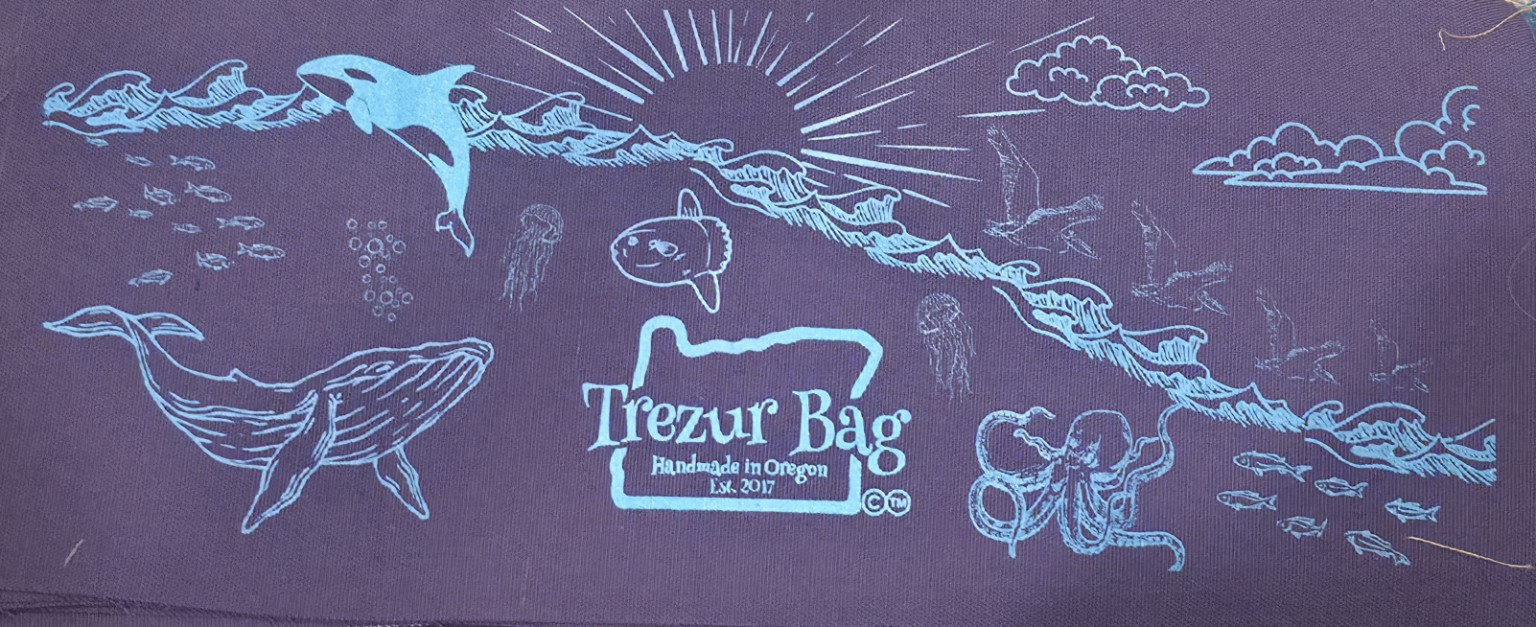
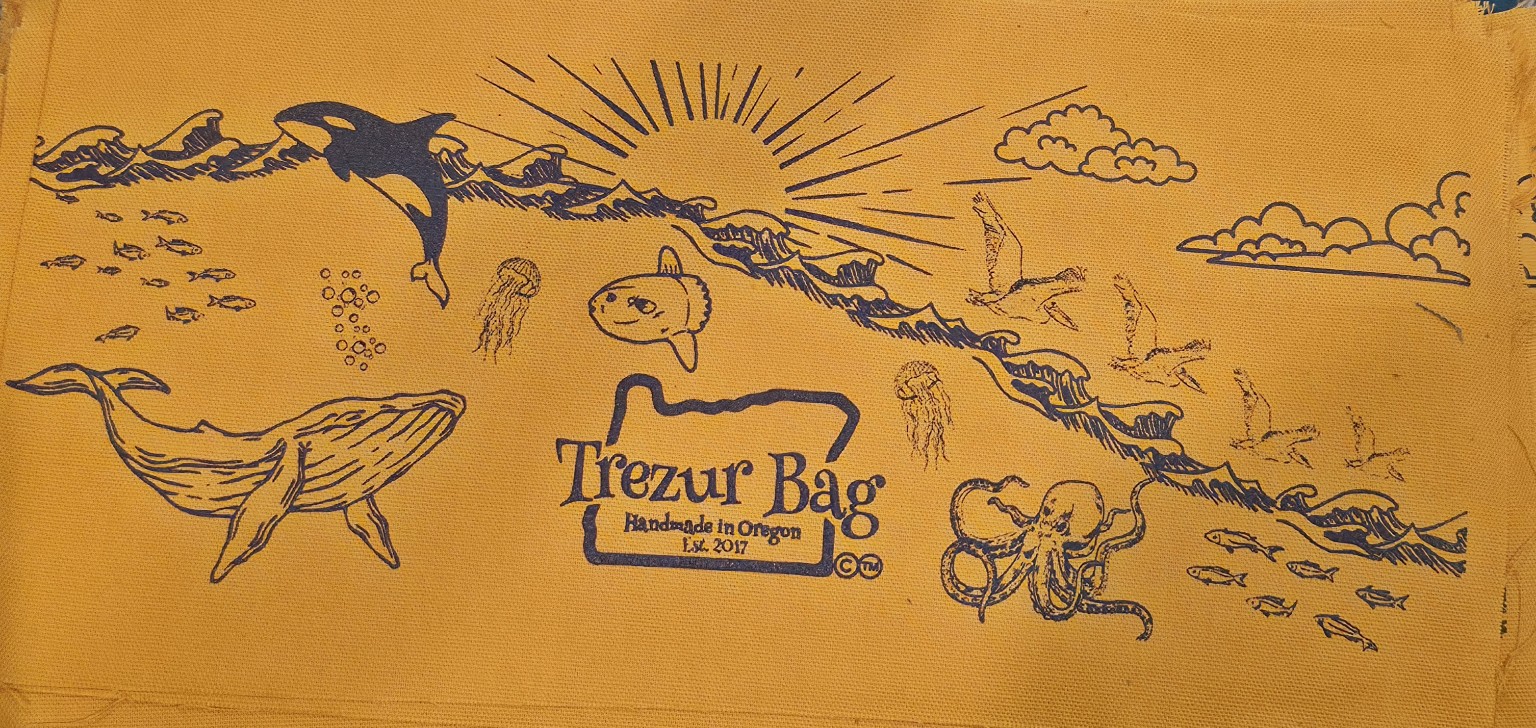
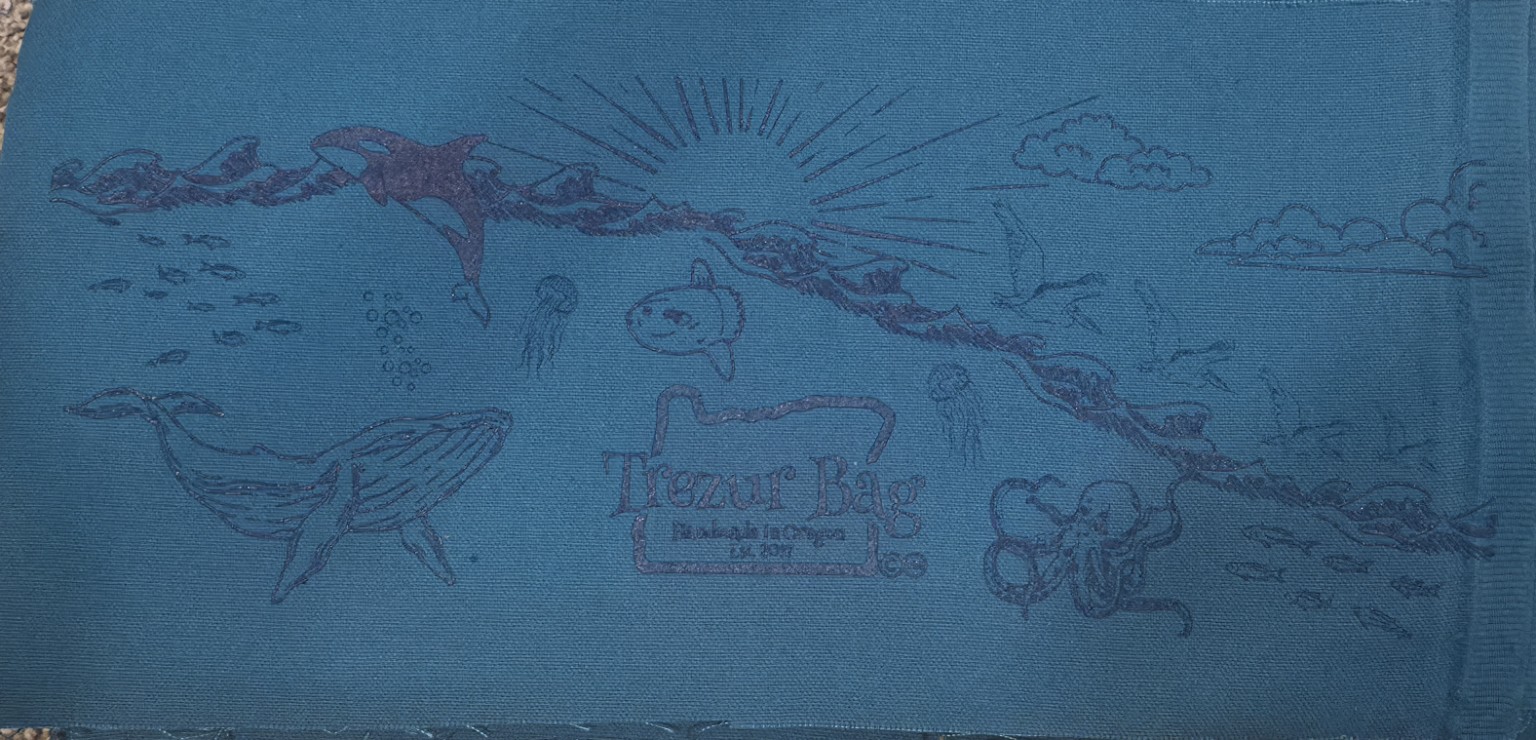
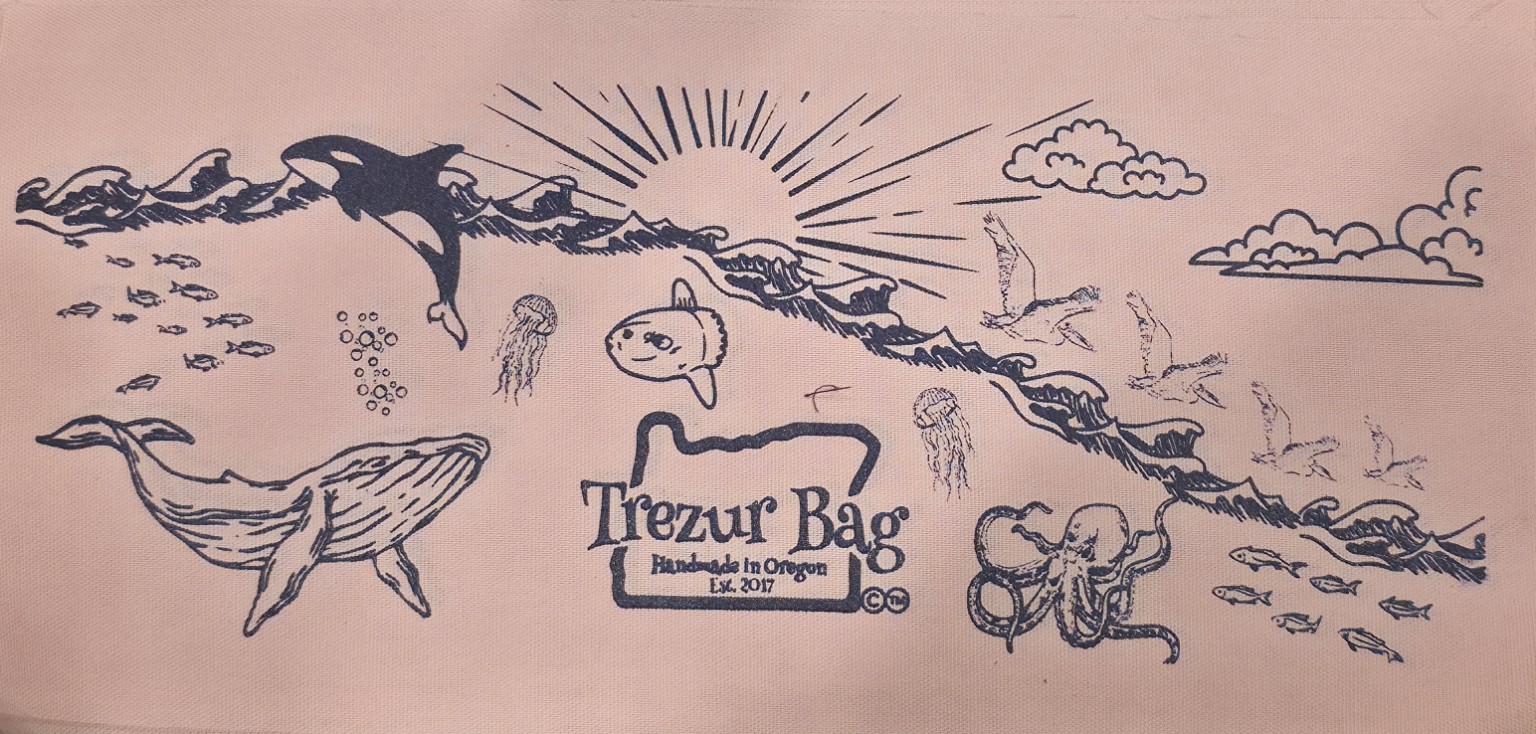
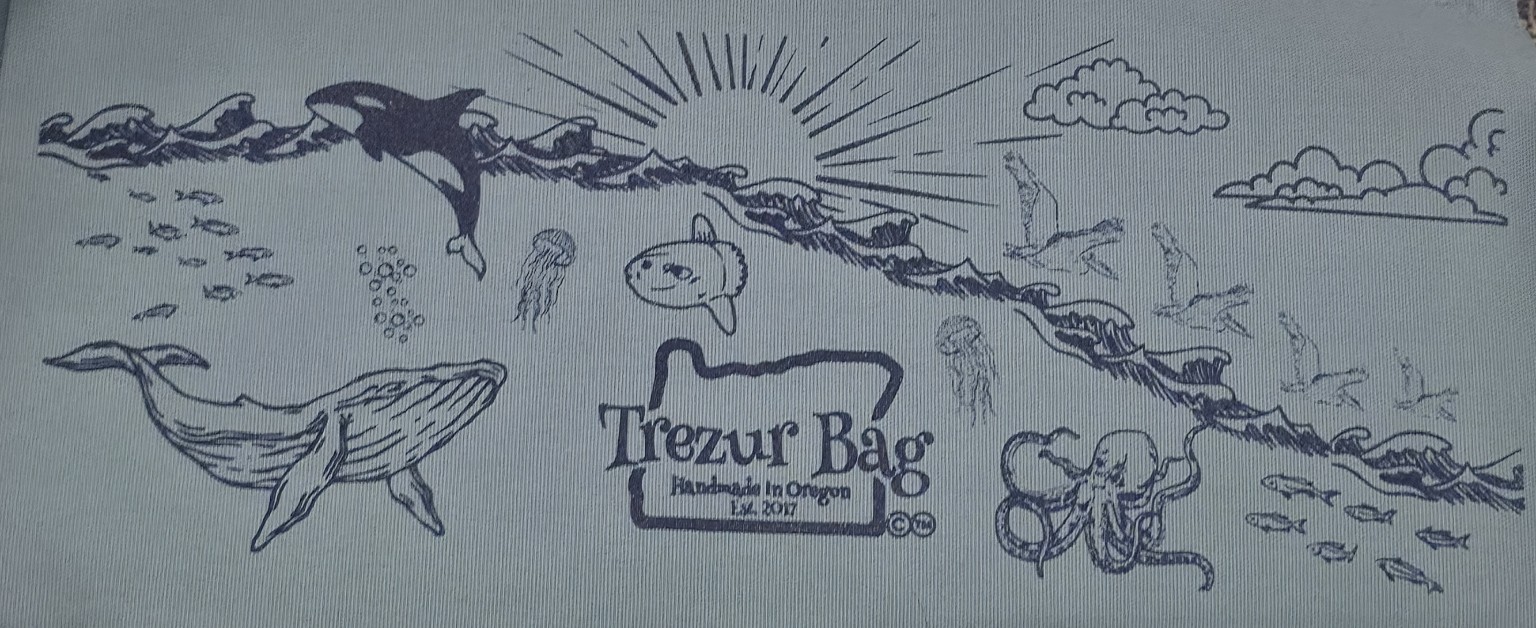
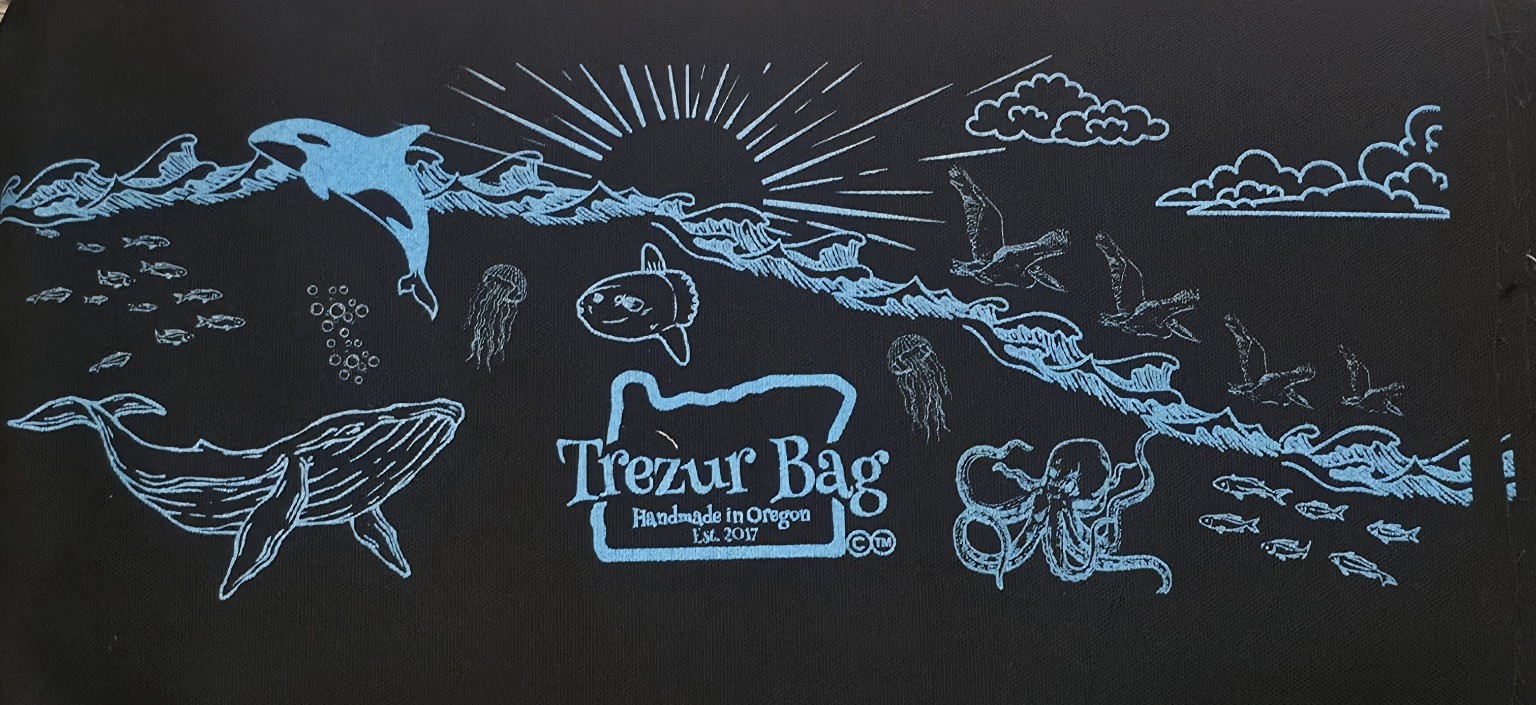
The problem was ordinary.
Beach trips with my children meant pockets full of agates, shells and other small finds—and sand following us into the car, furniture and laundry. I already liked to sew and build things, so I pictured a small clip-on bag: keep the interesting things and stop treating pockets like collection buckets.
The early bags were for us. Then friends and family used them. Feedback changed the design. Small improvements accumulated.
Then came the hard part: repeatability.
One useful handmade object is not yet a product. I spent years learning the business side, working with entrepreneurial educators and small-business development resources, participating in Oregon RAIN’s entrepreneur ecosystem, refining the bag, pursuing manufacturing and hearing plenty of “no.”
Eventually Trezur Bag moved from home-sewn production into outside manufacturing in Oregon, wholesale channels and retail placement. The mark was registered in 2019.
The compact format stayed useful.
The original Trezur Bag is roughly 8 cups in volume. Materials, graphics and production methods have gone through multiple iterations, but the basic role remains compact: a bag that can ride with you while you collect smaller finds.