Seeing it came before knowing what to call it.
I didn’t wake up one day and decide to become an inventor. I eventually realized I had been practicing it most of my life.
In sixth grade, in the mid-1990s, I learned drafting. In high school I moved into AutoCAD. The software mattered, but the bigger realization was that I could take something I could already see in my mind and describe it with dimensions, lines, relationships and structure.
Long before that, I was taking objects apart to understand how they worked. Illustrated “inside the object” books, encyclopedias, building sets and anything mechanical held my attention because they answered a question I kept asking: what is happening inside this thing?
A small build I never forgot.
At around eleven, I built a three-axle toy car so that if it flipped over, it could still keep moving. I remember being stunned that the thing in my head worked in the world. It was a small childhood build, but the feeling stayed with me.
Life changed directions plenty of times after that. The habit didn’t.
Thousands of drawings. Dozens of prototypes.
I have accumulated thousands of drawings and product ideas across many subjects. I tend to notice friction: something that could be easier, faster, more intuitive, more novel or simply more fun. Not every drawing deserves to become a product. The useful ones demand a prototype.
I’ve built dozens of them. Some answer the question and stop there. Some go through version after version. A few become something other people can use.
Learning the business side.
Building the object turned out to be only part of invention. During the late 2010s I spent several years participating in Oregon RAIN’s entrepreneurial ecosystem, and I worked with entrepreneurial educators and small-business development resources while learning how to take Trezur Bag from a family-made solution into consumer and wholesale markets.
The business side taught me a different kind of iteration: manufacturing, pricing, trademarks, packaging, retail, wholesale, rejection, persistence and the gap between making one good object and making one reliably.
The notebooks and prototypes started leaving the workbench.
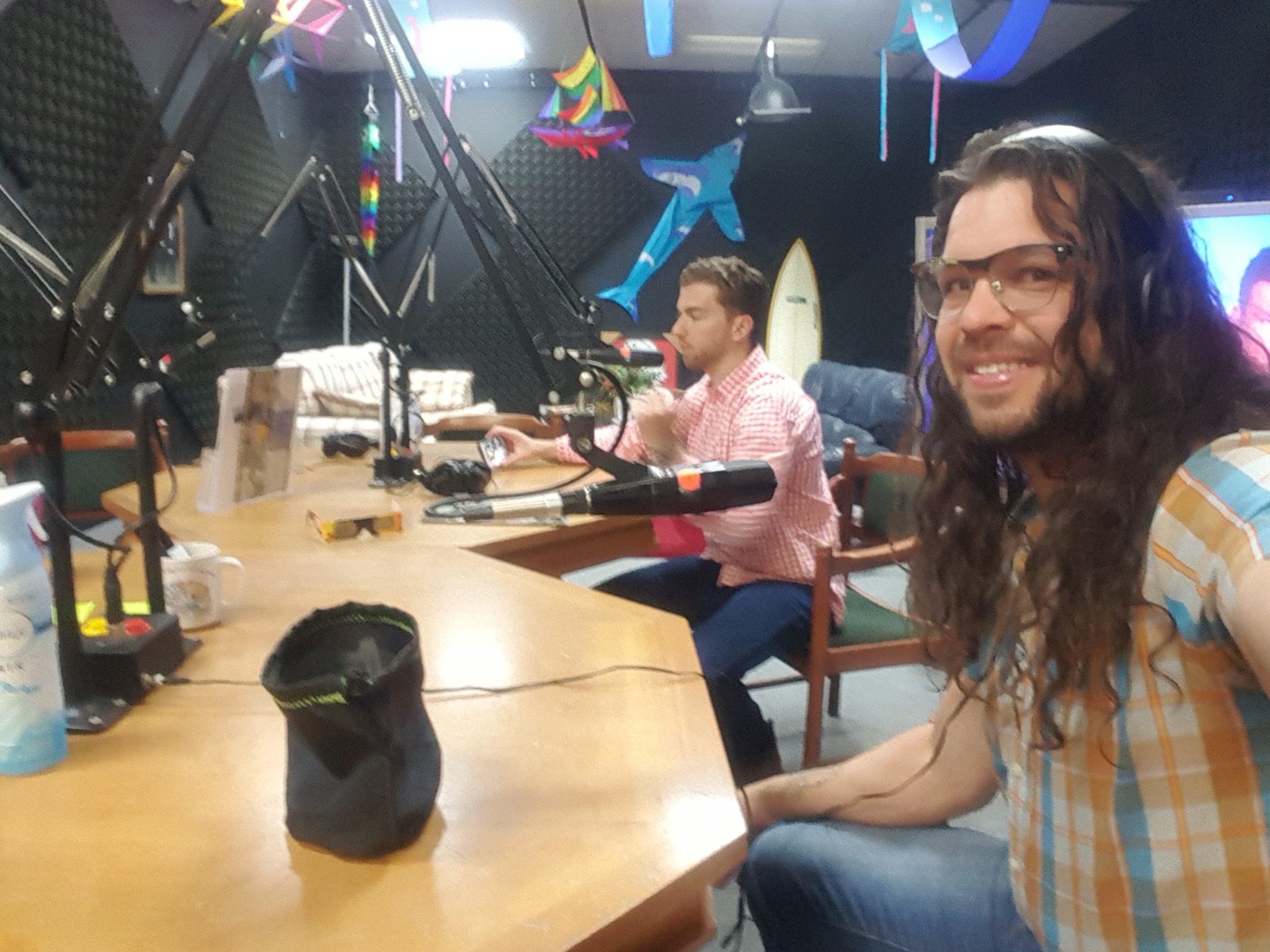
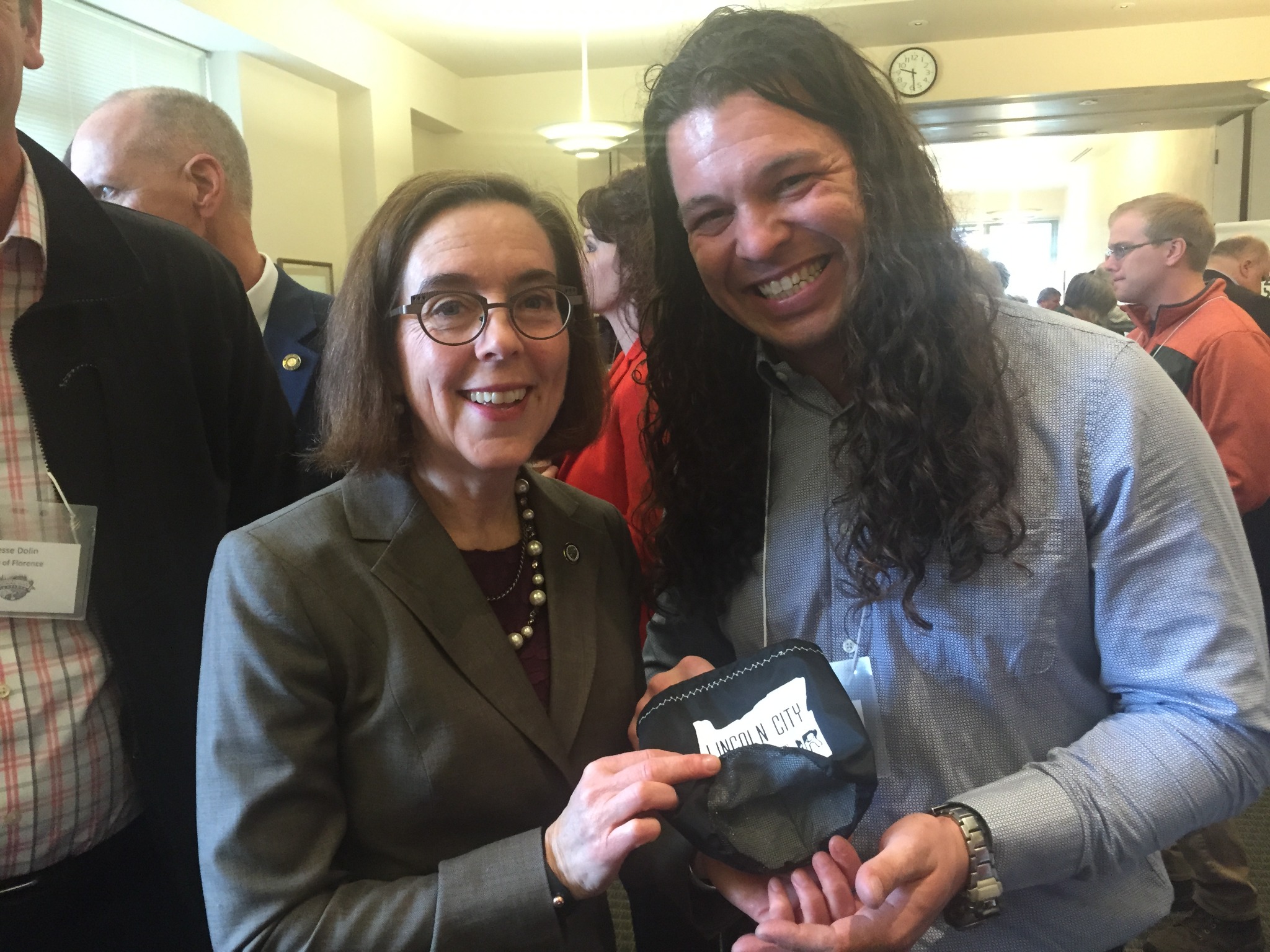
By 2017, the product work was showing up in public settings too—from local radio conversations to Oregon Rural Days. These are not the whole timeline; they are snapshots from the period when a handmade solution was becoming something I was learning to explain, test and take into the world.
Make it physical enough to argue back.
I don’t use the word as a synonym for “person with ideas.” For me it means making the idea physical enough to fail, teach me something, change and become better.
Trezur Bag and the Foraging Bag have crossed into the market. Other projects have reached working prototype stages. Some are still drawings. The stage matters, and I try to say what stage a project is actually in.
Drafting
Formal drafting gave structure to a visual way of thinking that had already formed.
AutoCAD
Digital drafting expanded the vocabulary: objects could be revised, measured and reimagined precisely.
Trezur Bag
A simple family problem at the beach became an evolving product built around carrying finds without filling pockets.
Public development
Radio interviews, entrepreneurial programs and public events became part of learning how to explain the product as well as build it.
Foraging Bag
The product family expanded into a 2.5-gallon format with two carabiners for larger-volume collecting.
Keep building
Physical products, software concepts, creative work and new prototypes continue to share the same starting point: I can see another way it could work.