Visual thinking first.
Drafting in sixth grade and AutoCAD in high school gave structure to something that was already there: seeing objects, mechanisms and alternate versions in my mind.
Ideas start as a picture in my head. Then they become sketches, models, sewn samples, rebuilt versions and—sometimes—real products out in the world.
Long before there was a company name, there was a kid taking things apart, studying how objects were put together, reading illustrated “inside” books and encyclopedias, and building things simply to see whether an idea would work.
Drafting in sixth grade and AutoCAD in high school gave structure to something that was already there: seeing objects, mechanisms and alternate versions in my mind.
I’ve made dozens of prototypes across different subject areas. The point isn’t a perfect first attempt. It’s learning what the object tells you once it exists.
Faster. Simpler. More useful. More novel. Sometimes just more fun. That question has followed me from childhood builds to products sold in stores.
A family beach problem became a sewn prototype, then a refined product, a registered trademark, wholesale distribution and a product carried by Oregon retailers. Trezur Bag is the clearest proof of how I work: notice a friction point, imagine a better object, make it, test it, change it, and keep going.
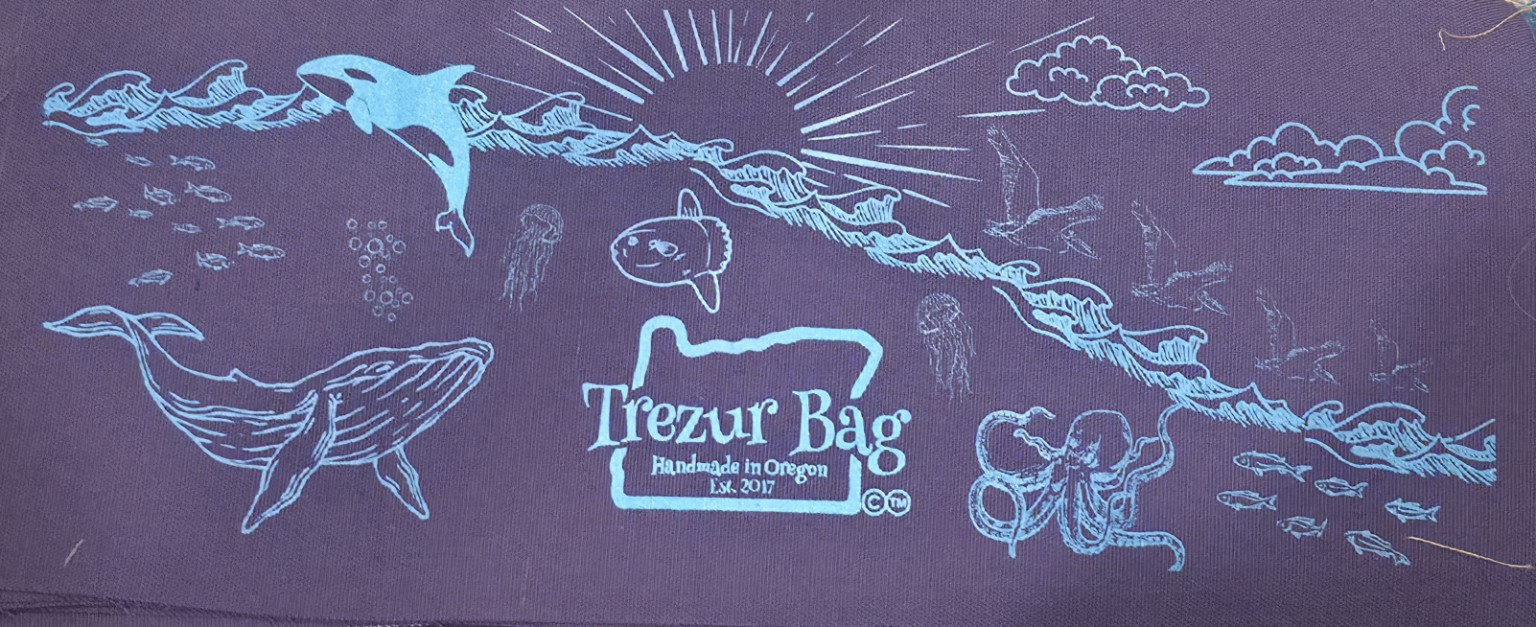
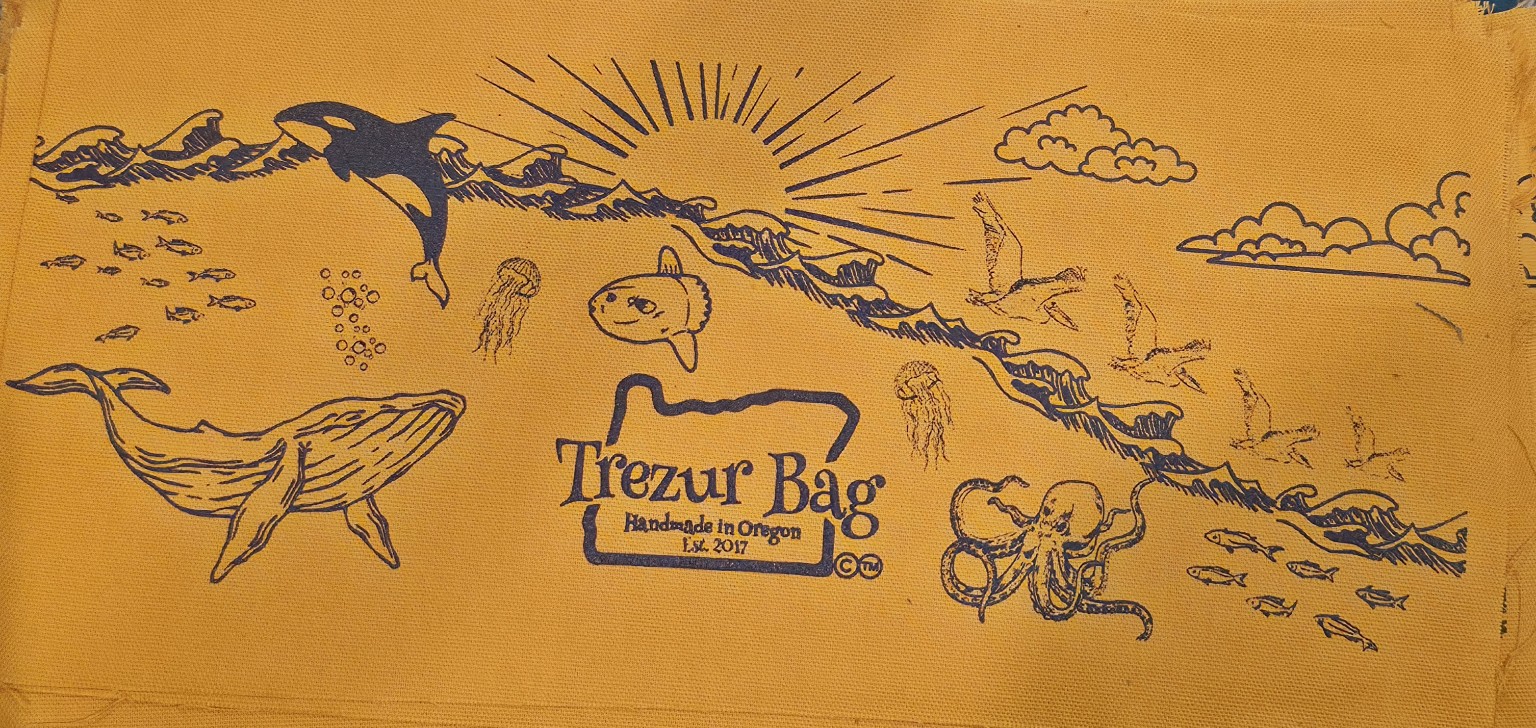
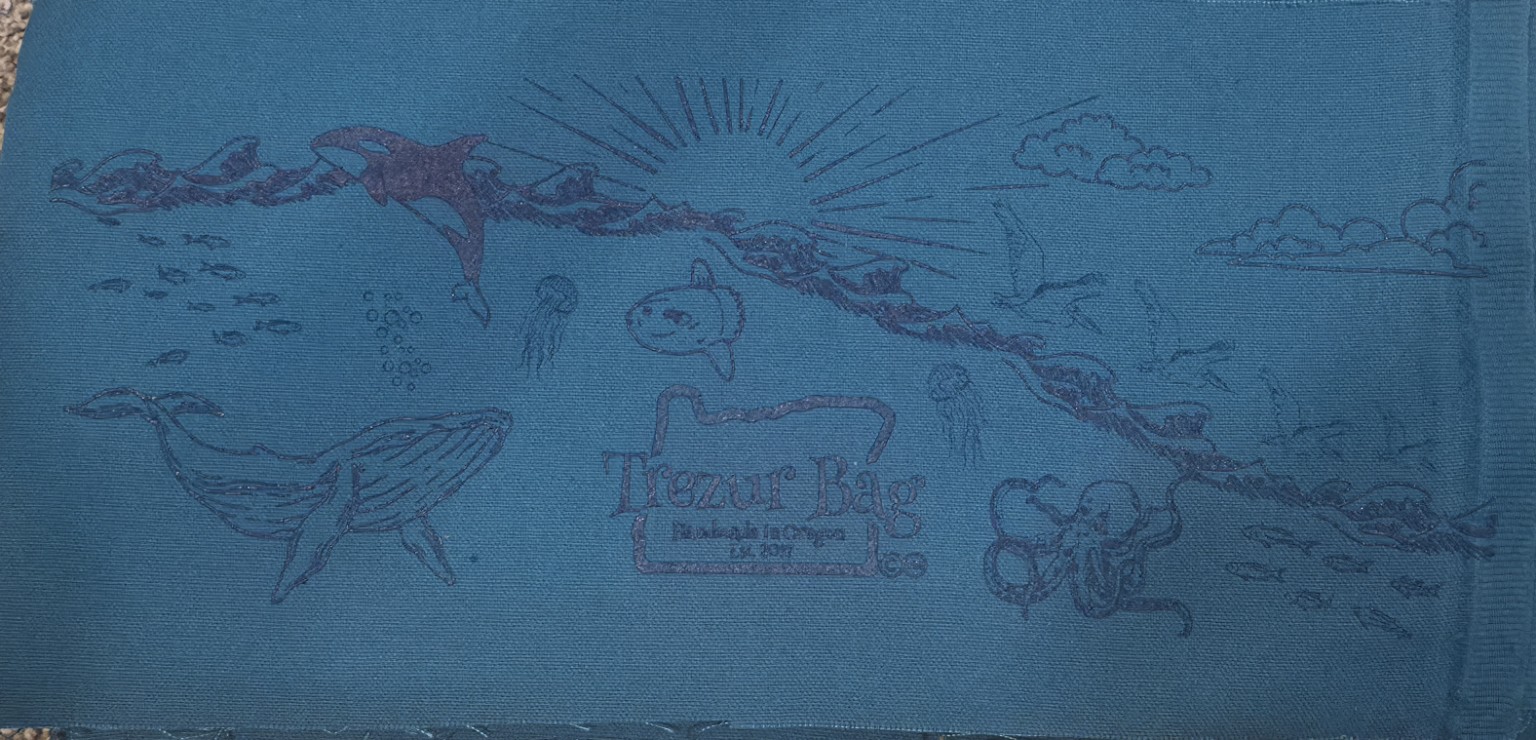
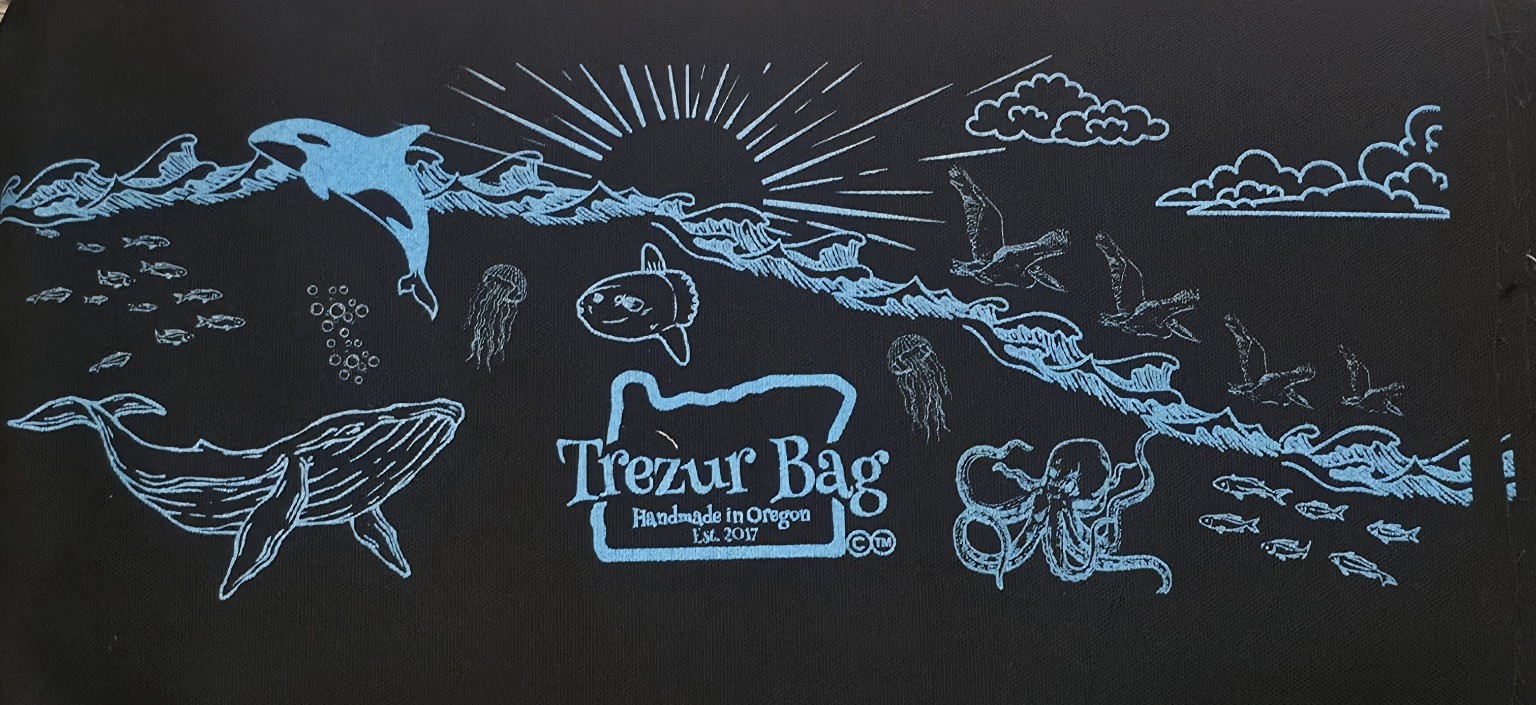
The medium changes—fabric, wood, software, paint, words—but the impulse is similar: make the thing that isn’t there yet.
Riley Invents centers invention and prototyping. My painting, writing and other creative work live in their own places, but they come from the same habit of seeing something internally and working until it exists outside of me.
Paintings, visual work, murals and commissioned pieces.
Visit the art site →Poetry, books and long-form creative work built from the same observational instinct.
Published work →Some projects stay private while they are being tested. Others eventually earn their own name, site and life.
See current projects →